
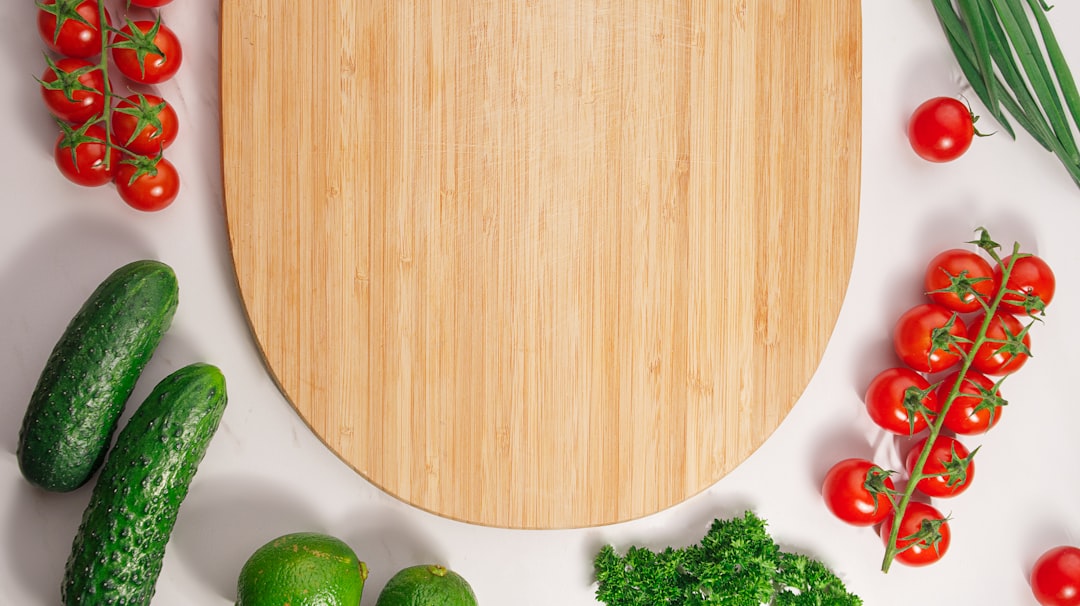
A healthy meal plan is essential for achieving your fitness goals, whether you’re looking to gain muscle or lose weight. A well-balanced diet provides your body with the necessary nutrients to function optimally, supporting muscle growth and repair, as well as boosting your metabolism to help you shed those extra pounds. In this article, we’ll explore the key components of a healthy meal plan, including the best foods for muscle gain and weight loss, as well as some delicious and nutritious breakfast ideas to start your day off right.
Understanding Your Nutritional Needs
Before we dive into the specifics of a healthy meal plan, it’s essential to understand your nutritional needs. This includes your daily caloric intake, macronutrient ratios, and micronutrient requirements. For example, if you’re looking to gain muscle, you’ll need to consume a surplus of calories to support muscle growth, while also ensuring you’re getting enough protein to build and repair muscle tissue. On the other hand, if you’re trying to lose weight, you’ll need to create a calorie deficit by eating fewer calories than you burn, while also making sure you’re getting enough protein to support muscle mass.
Macronutrients: The Building Blocks of Nutrition
Macronutrients are the three main categories of nutrients that provide energy and support growth and repair in the body. These include carbohydrates, protein, and fat. Carbohydrates are the body’s primary source of energy, while protein is essential for building and repairing muscle tissue. Fat, on the other hand, is important for hormone production and absorption of vitamins and minerals. A healthy meal plan should include a balanced mix of all three macronutrients, with a focus on whole, unprocessed foods such as whole grains, lean proteins, and healthy fats.
Foods for Muscle Gain
If you’re looking to gain muscle, you’ll need to focus on consuming a surplus of calories, as well as enough protein to support muscle growth. Some of the best foods for muscle gain include lean meats such as chicken and fish, as well as plant-based options like beans and lentils. You should also include healthy fats like nuts and seeds, as well as complex carbohydrates like whole grains and sweet potatoes. Additionally, consider incorporating supplements like protein powder and creatine into your diet to support muscle growth and repair.
Meal Frequency and Timing
Meal frequency and timing are also important considerations when it comes to muscle gain. Aim to eat 5-6 meals per day, spaced out every 2-3 hours, to keep your muscles fueled and support growth. You should also make sure to eat a meal or snack that includes protein and carbohydrates within 30-60 minutes after your workout, to help promote muscle recovery and growth.
Foods for Weight Loss
If you’re looking to lose weight, you’ll need to focus on creating a calorie deficit by eating fewer calories than you burn. Some of the best foods for weight loss include leafy greens like spinach and kale, as well as other non-starchy vegetables like broccoli and bell peppers. You should also include lean proteins like chicken and fish, as well as healthy fats like nuts and seeds. Additionally, consider incorporating low-calorie, high-fiber foods like fruits and whole grains into your diet to help keep you full and support weight loss.
Portion Control and Mindful Eating
Portion control and mindful eating are also essential for weight loss. Aim to eat slowly and savor your food, paying attention to your hunger and fullness cues to avoid overeating. You should also use a food scale or measuring cups to measure out your food portions, to ensure you’re eating the right amount of calories to support weight loss.
Healthy Breakfast Ideas
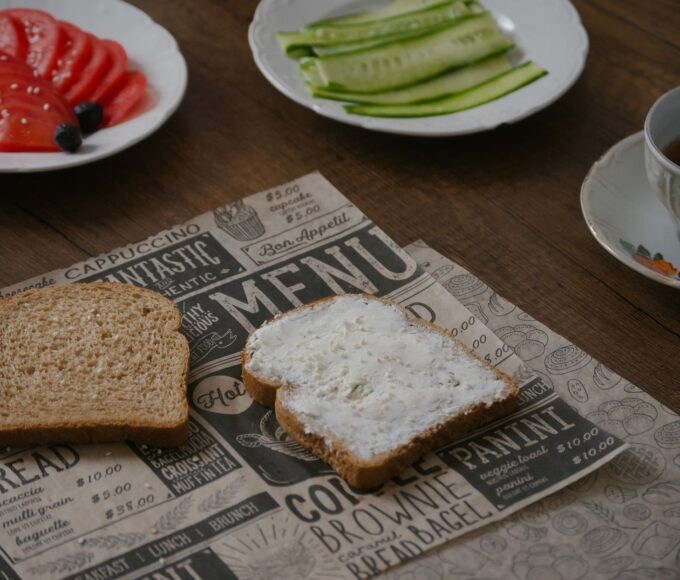
Breakfast is an essential meal for supporting muscle growth and weight loss, as it helps to jumpstart your metabolism and provide energy for the day ahead. Some healthy breakfast ideas include oatmeal with fruit and nuts, scrambled eggs with whole grain toast, and Greek yogurt with berries and honey. You can also consider incorporating protein shakes or smoothies into your breakfast routine, using protein powder and frozen fruit to create a quick and easy meal on-the-go.
Breakfast and Muscle Growth
Breakfast is especially important for muscle growth, as it helps to provide your muscles with the necessary nutrients to recover and grow after a night of sleep. Consider including a source of protein in your breakfast, such as eggs or Greek yogurt, to help support muscle growth and repair. You can also add complex carbohydrates like whole grains or oatmeal to your breakfast, to provide sustained energy and support muscle function.
Nutrient-Dense Foods
Nutrient-dense foods are essential for supporting overall health and wellness, and should be included in your meal plan regardless of your fitness goals. These foods include fruits, vegetables, whole grains, lean proteins, and healthy fats, and provide a range of essential vitamins and minerals. Aim to include a variety of nutrient-dense foods in your diet, to ensure you’re getting all the necessary nutrients to support optimal health.
As you can see, a healthy meal plan is essential for achieving your fitness goals, whether you’re looking to gain muscle or lose weight. By focusing on whole, unprocessed foods and including a balanced mix of macronutrients in your diet, you can support muscle growth and repair, as well as boost your metabolism to help you shed those extra pounds. Remember to stay hydrated by drinking plenty of water, and consider incorporating supplements like protein powder and creatine into your diet to support muscle growth and recovery. With a little planning and creativity, you can create a healthy meal plan that supports your fitness goals and helps you achieve optimal health and wellness. By making healthy choices and staying committed to your goals, you can unlock your full potential and achieve the body you’ve always wanted, and maintain a healthy and balanced lifestyle for years to come, feeling strong, confident, and empowered to take on any challenge that comes your way.








Leave a comment